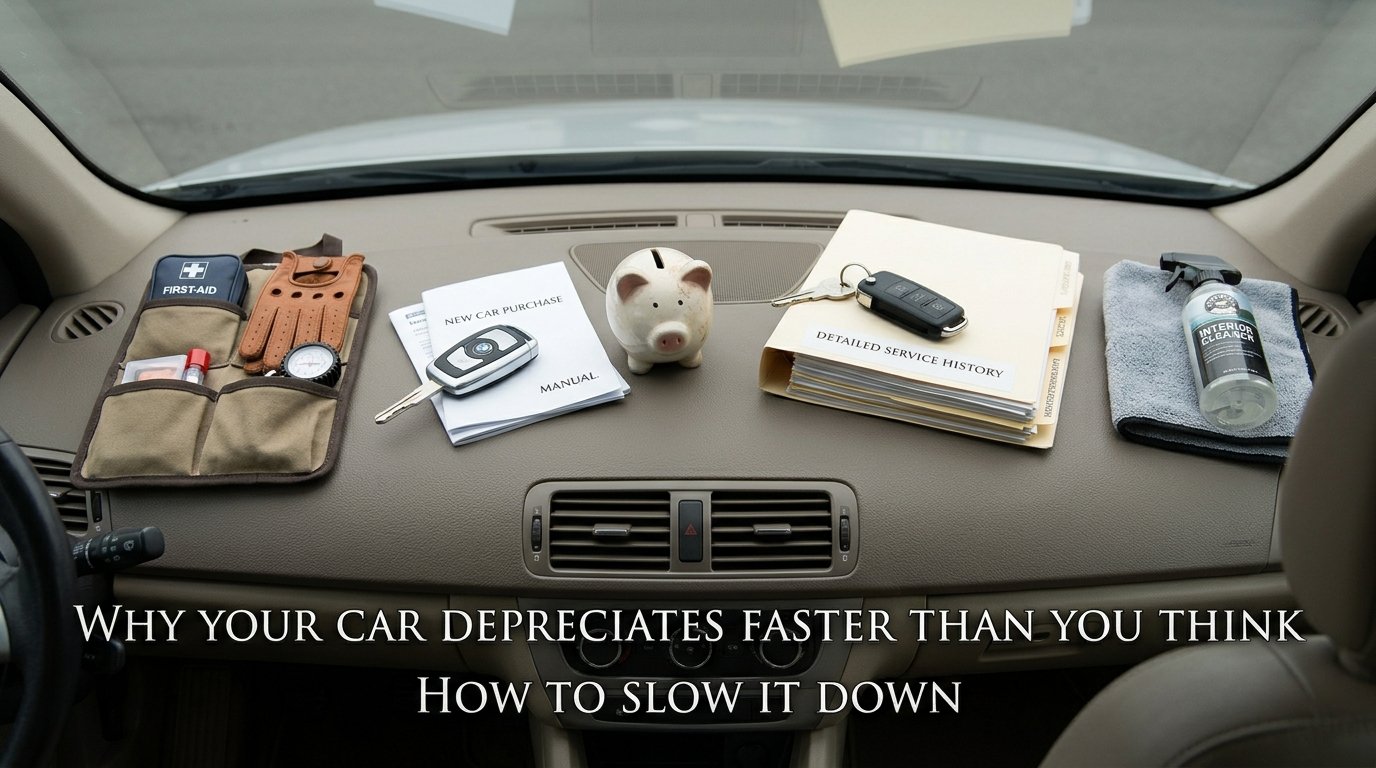
Why Your Car Depreciates Faster Than You Think — And How to Slow It Down
The moment you drive a new car off the dealership lot, it starts losing value — often faster than most buyers realize. Depreciation is one of the biggest hidden costs of car ownership, yet it’s rarely discussed until it’s time to sell or trade in. Understanding why your car loses value so quickly, and what you can do to slow that process, can save you thousands of dollars over the life of your vehicle.
The Reality of New Car Depreciation
Many new vehicles lose a substantial portion of their value within the very first year of ownership. This steep initial drop often catches buyers off guard, especially those who financed a large portion of the purchase price. By the end of the first few years, many cars have lost nearly half their original value, even with minimal wear and tear. This is why financial experts often advise against buying brand-new vehicles if minimizing depreciation loss is a top priority.
Why Cars Lose Value So Quickly
Instant “Used” Status
The second a car is purchased and driven off the lot, it’s technically no longer “new.” This immediate shift in classification alone accounts for a significant chunk of the initial value drop, regardless of mileage or condition.
Market Saturation
Popular models that are widely available tend to depreciate faster simply because supply is high. Limited production vehicles or those with strong ongoing demand typically hold their value better over time.
Technology and Model Updates
As manufacturers release updated models with newer technology, safety features, or design changes, older versions naturally become less desirable, accelerating their depreciation.
Brand Reliability Perception
Vehicles from brands known for frequent mechanical issues or expensive repairs tend to depreciate faster, as buyers factor in the anticipated cost of ownership when determining resale value.
Economic Factors
Interest rates, fuel prices, and overall economic conditions can influence depreciation rates across the board. For example, larger vehicles may depreciate faster during periods of high gas prices as buyer demand shifts toward more fuel-efficient options.
Strategies to Slow Down Depreciation
Choose Models Known for Value Retention
Before purchasing, research which brands and models historically hold their value best. Certain vehicles are known for slower depreciation due to strong reliability reputations and consistent demand in the used car market.
Maintain Detailed Service Records
Keeping thorough documentation of regular maintenance and repairs reassures future buyers that the vehicle has been well cared for, which can significantly boost resale value.
Keep Mileage in Check
Lower mileage generally correlates with higher resale value. If possible, avoid unnecessary driving and consider how your annual mileage compares to typical buyer expectations for the vehicle’s age.
Protect the Exterior and Interior
Small investments in protection—like paint sealant, seat covers, and regular detailing—can prevent wear and damage that negatively impacts appraisal value down the line.
Avoid Heavy Modifications
While personalized modifications might suit your taste, they often reduce resale value for the average buyer. Sticking closer to factory specifications tends to preserve broader market appeal.
Time Your Sale Strategically
Selling before major model updates or redesigns are announced can help you avoid the depreciation hit that often accompanies newer releases hitting the market.
Consider Certified Pre-Owned Instead of New
Buying a certified pre-owned vehicle allows you to avoid the steepest depreciation curve that occurs in the first year or two, while still benefiting from warranty protection and quality assurance.
Choose Popular, In-Demand Colors
It might seem minor, but exterior color can influence resale value. Neutral tones like white, black, and silver tend to have broader buyer appeal compared to bold or unusual color choices.
The Bigger Financial Picture
Understanding depreciation isn’t just useful for future resale planning — it directly affects your overall cost of ownership. A car with a slower depreciation rate often makes for a smarter long-term investment, even if its upfront price is slightly higher than a competitor with a poor resale reputation.
Making Smarter Ownership Decisions
Depreciation may be unavoidable, but how much value your car loses — and how quickly — is often within your control. By choosing the right vehicle, maintaining it properly, and making thoughtful ownership decisions, you can significantly slow the depreciation process and protect your investment for years to come. Whether you’re planning to sell in a year or keep your car for the next decade, understanding these principles puts you in a stronger financial position every step of the way.