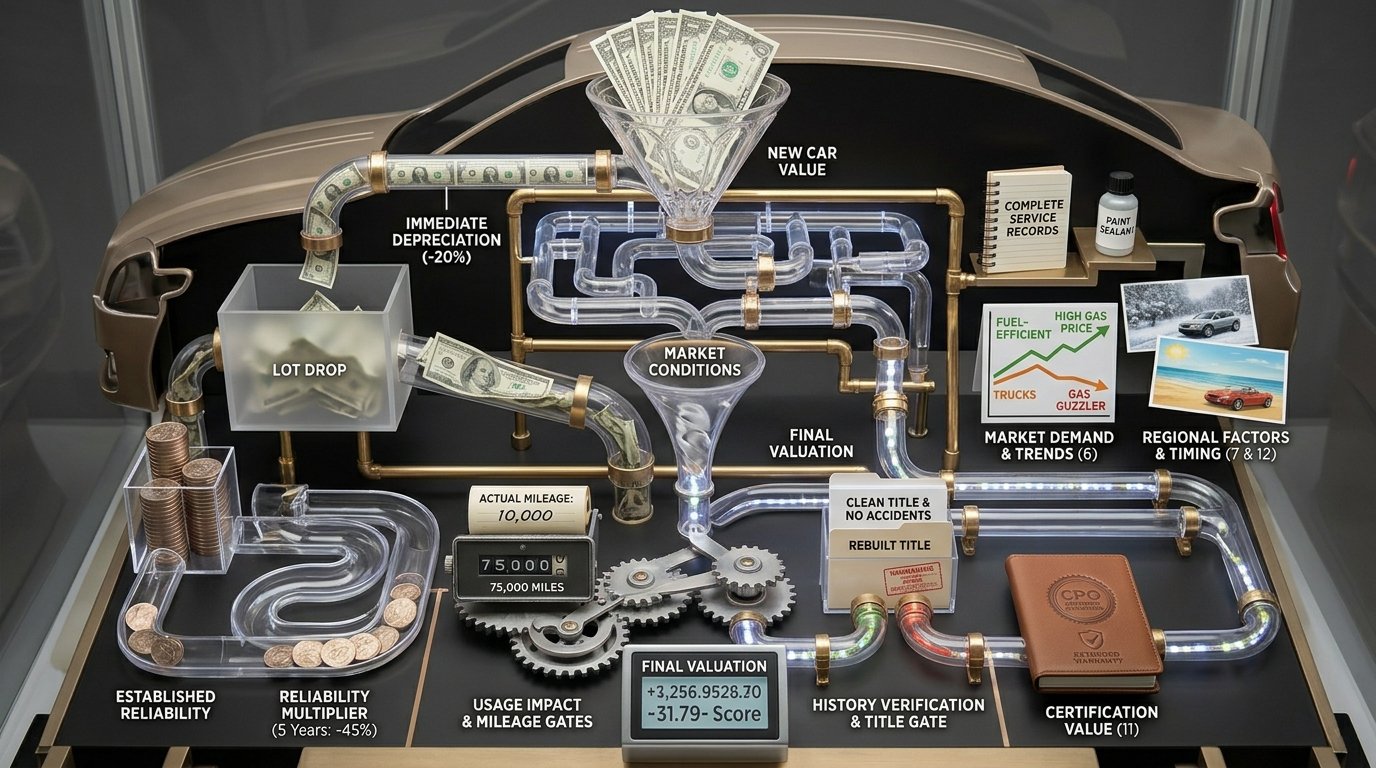
Understanding what a car is truly worth goes far beyond just glancing at a price tag. Whether you’re buying, selling, trading in, or simply curious about your vehicle’s standing, knowing how car value actually works can save you thousands of dollars and help you make smarter financial decisions. Here’s a professional breakdown of everything that factors into a car’s real worth.
1. Understanding Depreciation
Depreciation is the single biggest factor affecting a car’s value. Most new vehicles lose a significant portion of their value within the first year alone, and this decline continues steadily over the following years. Understanding depreciation curves for specific makes and models can help you decide whether buying new or used makes more financial sense for your situation.
2. Brand and Model Reputation
Some brands are simply built to hold their value better than others. Vehicles known for reliability, strong safety ratings, and lower long-term maintenance costs tend to depreciate slower. Luxury brands, on the other hand, often depreciate faster due to higher initial costs and more expensive upkeep, even if the vehicles themselves are well-built.
3. Mileage and Its Impact on Value
Mileage is one of the first things buyers and appraisers look at. Lower mileage generally signals less wear and tear, which typically means higher value. However, extremely low mileage on an older vehicle can sometimes raise questions about whether the car was driven infrequently and may have age-related issues instead.
4. Vehicle Condition — Inside and Out
A car’s physical and mechanical condition plays a huge role in determining its worth. This includes:
- Exterior condition (paint, dents, rust)
- Interior wear (seats, dashboard, odors)
- Mechanical health (engine, transmission, brakes)
- Tire condition and tread depth
Regular maintenance and keeping detailed service records can significantly boost a car’s perceived and actual value when it’s time to sell.
5. Vehicle History Matters
A clean title with no accident history is worth significantly more than a car with a rebuilt title or accident record, even if the repairs were done well. Vehicle history reports reveal important details like previous ownership, accident history, and whether the car has ever been in a flood or major collision.
6. Market Demand and Trends
Car values aren’t set in stone — they fluctuate based on market demand. For example, fuel-efficient and hybrid vehicles tend to see increased demand when gas prices rise, while larger trucks and SUVs may see value dips during those same periods. Staying aware of current market trends can help you time a sale or purchase more strategically.
7. Regional Factors
Where you live can influence a car’s value more than you might expect. Trucks and all-wheel-drive vehicles often hold higher value in colder climates or rural areas, while compact and fuel-efficient cars may be more desirable in dense urban areas where parking and fuel costs are bigger concerns.
8. Original Equipment vs. Aftermarket Modifications
While some buyers appreciate upgraded features, heavily modified vehicles can actually be harder to sell and may reduce resale value, especially if modifications affect the car’s warranty or insurance eligibility. Sticking closer to factory specifications generally preserves value better for most standard buyers.
9. Trade-In Value vs. Private Sale Value
It’s important to understand that trade-in value and private sale value are two very different numbers. Dealerships typically offer less for trade-ins since they need room to profit after reselling the vehicle. Selling privately usually nets more money, but requires more time, effort, and patience to find the right buyer.
10. Using Valuation Tools Correctly
Tools like Kelley Blue Book and Edmunds can give you a solid starting estimate of your car’s worth, but it’s important to input accurate information about mileage, condition, and features to get a realistic number. These tools should be used as a guide, not an absolute figure, since actual market offers can vary based on demand and negotiation.
11. The Role of Certification and Warranties
Certified pre-owned vehicles often carry higher value than standard used cars because they come with manufacturer-backed inspections and extended warranty coverage. This added assurance gives buyers more confidence, which translates into a willingness to pay more.
12. Timing Your Sale or Purchase
Just like real estate, car values can shift seasonally. Convertibles and sports cars often see higher demand—and higher prices—during spring and summer, while trucks and SUVs may see increased value ahead of winter months. Understanding these patterns can help you buy low and sell high.